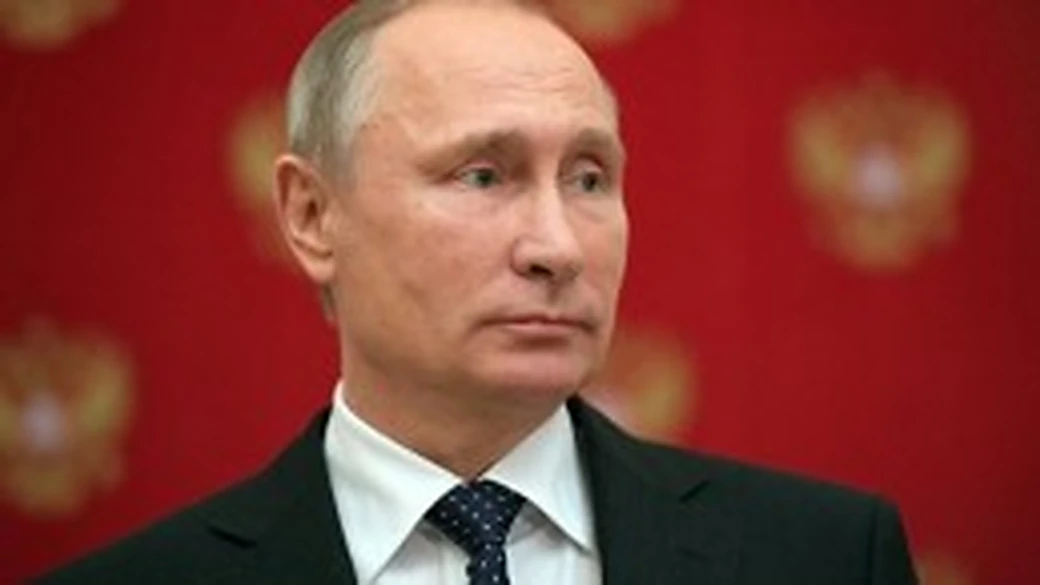
Russian opposition politician Alexei Navalny has suggested that Vladimir Putin could be offered guarantees of personal safety and protection from prosecution if he agreed to hand over power peacefully. The idea, raised as Navalny prepared his campaign to run for the presidency, quickly became one of the most debated points among his supporters and critics.
What Navalny proposed
Navalny's argument was pragmatic. Leaders who fear prison or worse after leaving office have every reason to cling to power by any means. Offering a guarantee of immunity, in his view, could lower the stakes of a transition and make a peaceful handover more likely. He framed the idea not as forgiveness, but as a price worth paying to avoid instability and violence.
Navalny has built his public profile on investigations into corruption among Russian officials, so the proposal surprised many observers. It suggested a willingness to compromise that his opponents had not expected.
A divided opposition
The reaction inside the opposition was mixed. Some activists welcomed the proposal as a realistic approach that recognized how difficult it is to remove an entrenched leader. Others saw it as a betrayal of the principle that officials should be accountable for abuses of power and for the enrichment of their circles.
The disagreement reflected wider tensions within Russia's small democratic movement, which has long been split over tactics. Should opponents of the Kremlin take part in elections they consider unfair, or boycott them? Should they negotiate with the authorities, or refuse any dialogue? Navalny's comments about immunity added a new dimension to these arguments.
Historical comparisons
Supporters of the idea pointed to transitions in other countries where outgoing rulers received legal guarantees in exchange for stepping aside. In several cases, such arrangements helped avoid bloodshed, though they often left victims and reformers frustrated. Critics replied that immunity deals can entrench impunity and weaken the rule of law that any new government would need to build.
The bigger picture
In practice, the debate remained largely theoretical. Navalny faced legal obstacles to registering as a candidate, and the Kremlin showed no sign of preparing for any transfer of power. Still, the discussion revealed how the opposition imagined a future beyond the current system and what concessions it might be willing to make to get there.
For observers of Russian politics, the episode illustrated a central dilemma: how to combine demands for justice with a realistic path to change. Navalny's answer, controversial as it was, put that dilemma at the center of the conversation.


